CONTAINS HUMIC & FULVIC ACIDS
- Prevent nitrogen leaching
- Provides food for the microbes
- Stabilizes phosphorus
- Increases nutrient availability and absorption
- Enhances for growth
- Increase water retention
- Improve overall soil structure
- Improve soil CEC
- Improves crop vigor
- Improves seed germination
- Increase iron uptake
BIOSTIMULANT PROPERTIES — NUTRITIONAL COMPONENTS
- Contains 17 essential amino acids
- Phytohormones (Auxins and cytokinins)
- Chelating agents (Amino acids, fulvic acid and humic acids)
- Micro and Macro Nutrients
- Makroelements: organic NPK
- organic carbon (humified carbon and watersoluble carbon)
- rich with natural vitamins: contains carotene (provitamin A), B1 B2 B3 B5 B6 B12 E, C, D, P)
- organic acids: folic acid, humic acids fulvic acid
- trace elements (Mn, Cu, B, Zn, I, Br, Mo, V, Cr, Be, Ni, Ag, Sn, Pb As, Ba, Sr, Ti)
- amino acids (Glutamic acid, Glycine, Valine, Arginine, Aspartic acid, Alanine, Serine, Leucine, Isoleucine, Phenylalanine, Tyrosine, Lysine, Methionine, Threonine, Cystine)
- contains enzymes ( peroxidase, reductase, protease)
- glycoprotein, glomalin
- phytohormones (auxin and cytokinin)
Humic acids
Here are some potential advantages of using humic acids for seed soaking:
- Enhanced seed germination: Humic acids can help stimulate seed germination by breaking seed dormancy and promoting the activation of enzymes involved in germination processes. Soaking seeds in humic acids can potentially result in faster and more uniform germination rates.
- Improved nutrient availability: Humic acids have the ability to chelate or bind with essential nutrients, such as iron, zinc, and manganese, making them more available for plant uptake. By soaking seeds in humic acids, the nutrients bound to these compounds can be released and absorbed more efficiently by the emerging seedlings, promoting healthy growth.
- Increased root development: Humic acids can stimulate root growth and development. Soaking seeds in humic acids can help initiate root elongation, increase the number of root hairs, and enhance lateral root branching. This can lead to improved nutrient and water uptake, as well as better anchorage and overall plant vigor
- Stress tolerance: Humic acids have been reported to enhance plant tolerance to various abiotic stresses, including drought, salinity, and heavy metal toxicity. Soaking seeds in humic acids can potentially prime the seedlings stress response mechanisms, allowing them to better withstand adverse environmental conditions.
- Microbial activity promotion: Humic acids can act as a food source and stimulant for beneficial soil microorganisms. Soaking seeds in humic acids can promote the growth and activity of beneficial bacteria and fungi in the rhizosphere, leading to improved nutrient cycling, disease suppression, and overall soil health.
- Seedling vigor and establishment: By providing a nutrient-rich and conducive environment for seed germination, humic acid seed soaking can result in stronger and more vigorous seedlings. This can lead to better establishment in the field, higher survival rates, and improved early growth stages
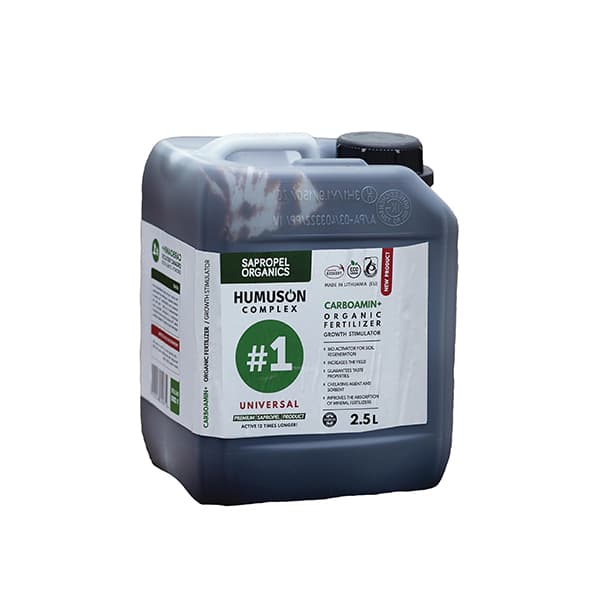
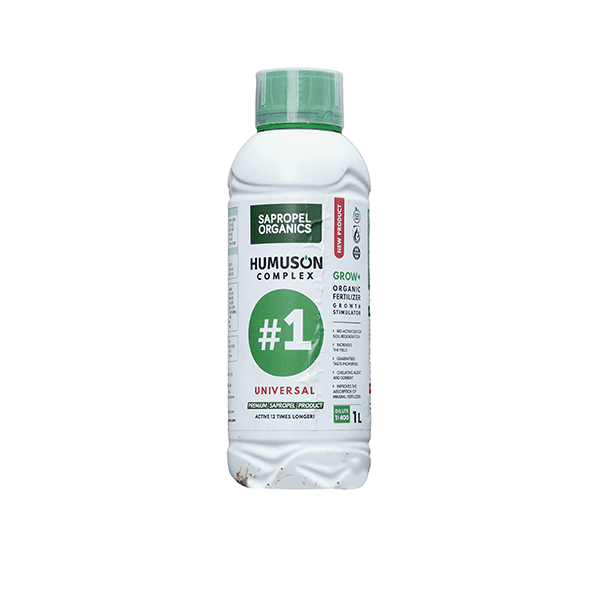 ValueFeatured
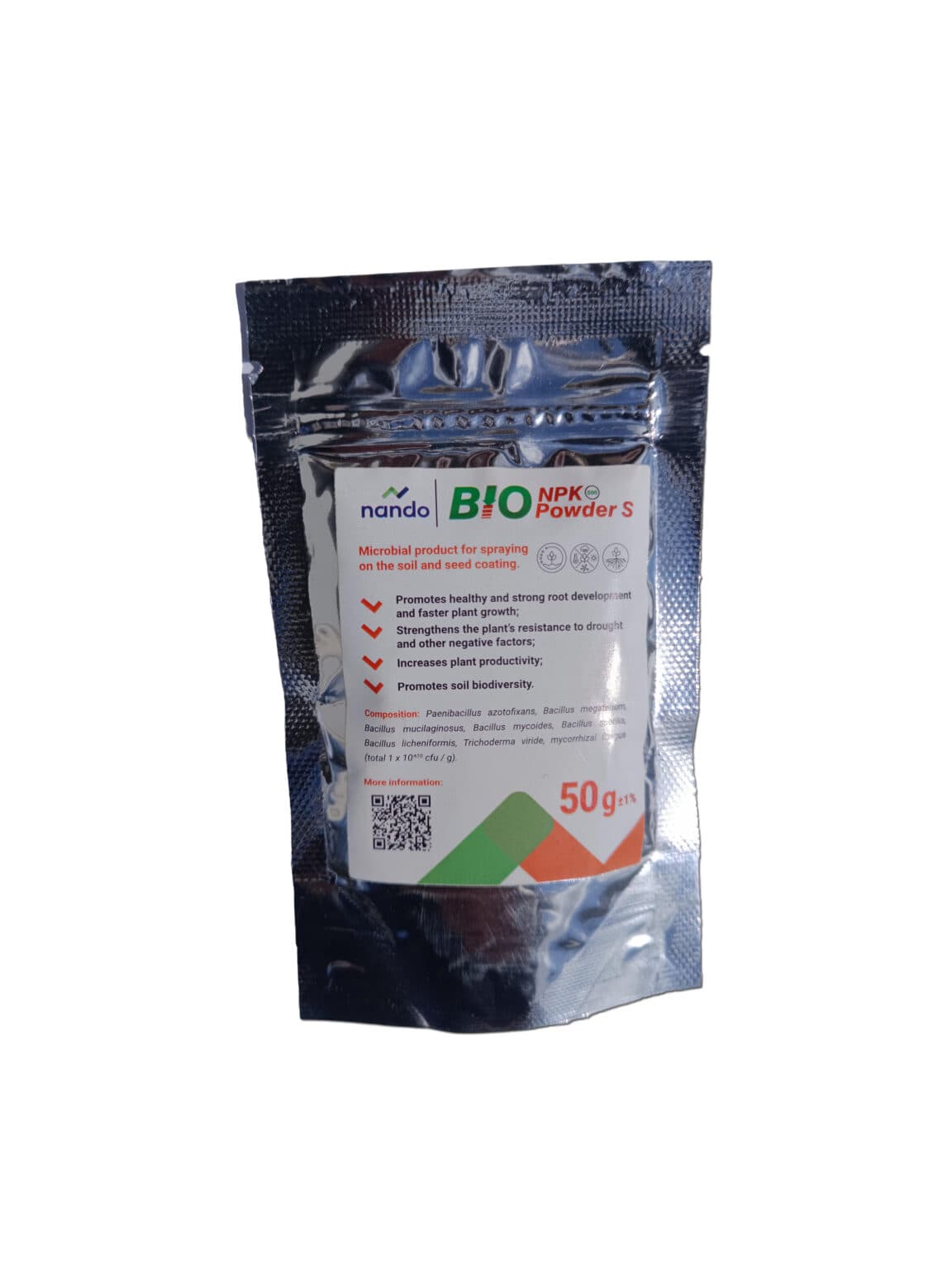 ValueFeatured